

Most of us adjust our skincare routine to the changing seasons – but what about intimate care? The skin in this area also reacts to external influences such as temperature, humidity, and clothing. If you're sensitive to these changes, you'll know that discomfort, dryness, or irritation often appear when you least expect them. However, with a few simple tips, this area can also be well-maintained throughout all four seasons.
Spring – Allergies and unexpected irritations
As soon as everything turns green and blooms outside, many people feel the effects of pollen – not just in their nose. The skin can also react more sensitively to the changed environment, which occasionally manifests itself in the intimate area. Here, it's worthwhile to opt for gentle, unscented care products and generally expose the skin to fewer irritants.
Summer – Heat, humidity and poor air circulation
High temperatures, tight clothing, and sweat can quickly lead to an uncomfortable skin feeling. Especially in the intimate area, moisture can easily build up if synthetic fabrics or tight cuts hinder air circulation. The result? A skin climate that is no longer in balance – an ideal environment for unwanted microorganisms. Light, breathable fabrics and regular, mild cleansing can help support well-being.
Autumn – Fluctuations and adjustment
The transitional period often brings changeable weather – and our skin needs to adapt again. This can also lead to temporary dryness or sensitivity in the intimate area. Especially important now is a care routine that doesn't additionally stress the skin. Excessively frequent or hot showering can be counterproductive.
Winter – Dry air, dry skin
Cold outside, warm and dry inside: every skin knows this combination – and the intimate area is no exception. Dryness and a feeling of tightness are not uncommon. In addition, thick layers of clothing can cause heat and moisture to build up. Therefore, it is advisable to avoid overly tight or synthetic underwear as much as possible and to use gently nourishing products that are free of fragrances and harsh surfactants.
What your skin needs now: Gentle care and respect for the microbiome
The intimate area has its own sensitive balance – including its pH value. If this gets out of whack, it can make the skin more prone to irritation or uncomfortable skin sensations. Therefore, care here should be particularly mild. Products that are free of perfumes, dyes, and harsh cleansers can help support the skin's natural balance.
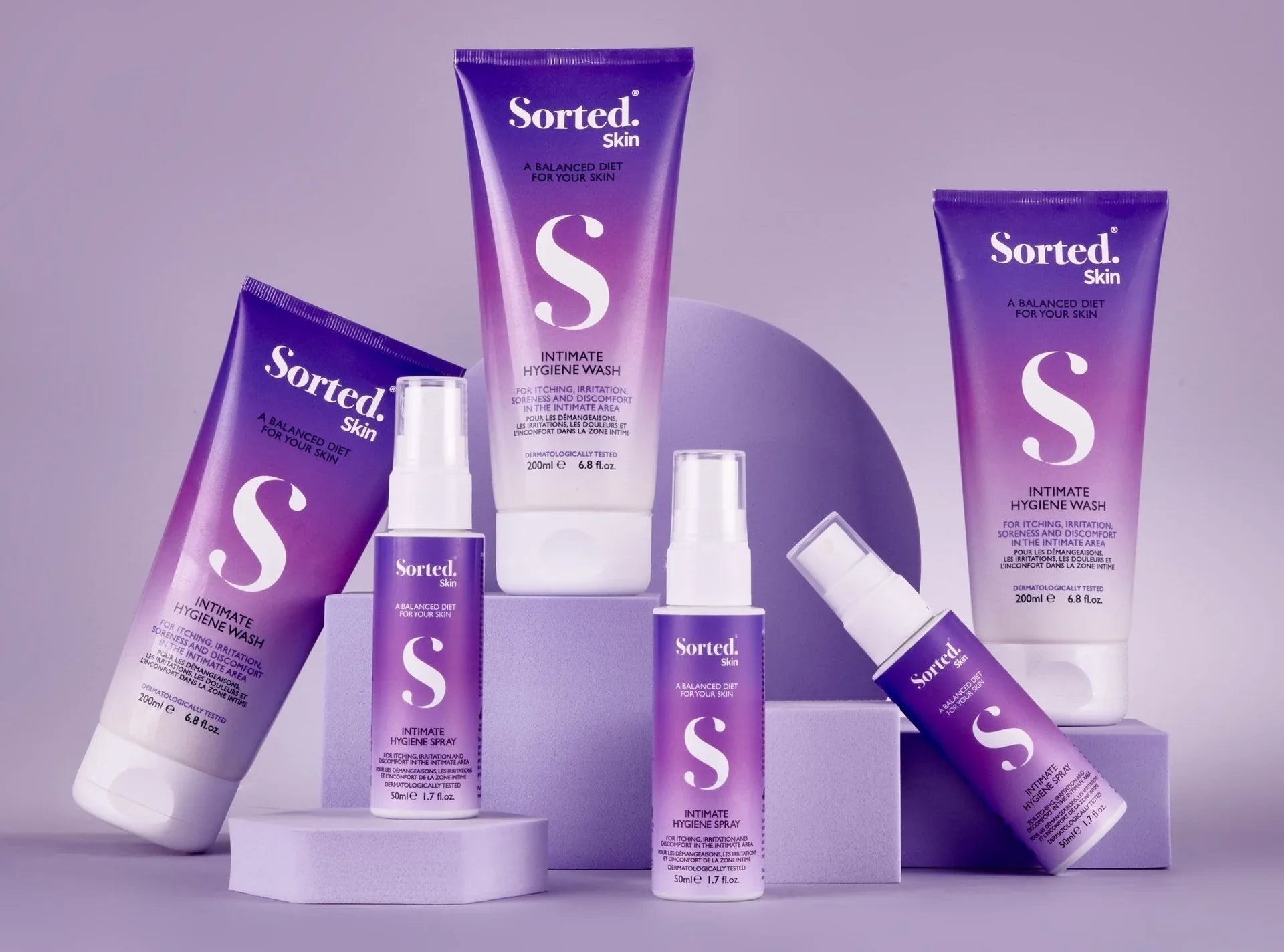
One example: A pH-neutral intimate wash gel without irritating additives cleans thoroughly without stressing the skin. For in-between or on the go, an intimate spray that provides a pleasant feeling of freshness – completely without alcohol or synthetic fragrances – is ideal.
Seasonal tips for more well-being
In addition to proper care, small habits also help you feel good in every season:
-
Showering in moderation: In winter, lukewarm rather than hot, in summer rinse briefly with water after sports or sweating.
-
Drink plenty of water: Sufficient fluid intake also helps the mucous membranes stay supple.
-
Breathable clothing: Cotton underwear is not only comfortable but also ensures better air circulation.
-
Less is more: Especially in the colder months, it is helpful to avoid too many layers of clothing in the intimate area to prevent heat build-up.
Conclusion:
Your well-being in the intimate area depends not only on you but also on external factors – and that's precisely why it's worthwhile to consciously adapt your care and daily routine to the respective season. With a little mindfulness, suitable products, and healthy habits, you can ensure a pleasant skin feeling all year round – effortlessly, but with great effect.

Share:
Cool Care, Clear Mind: Why Your Skincare Will Love the Fridge
Five SPF Myths – and What's Really True