

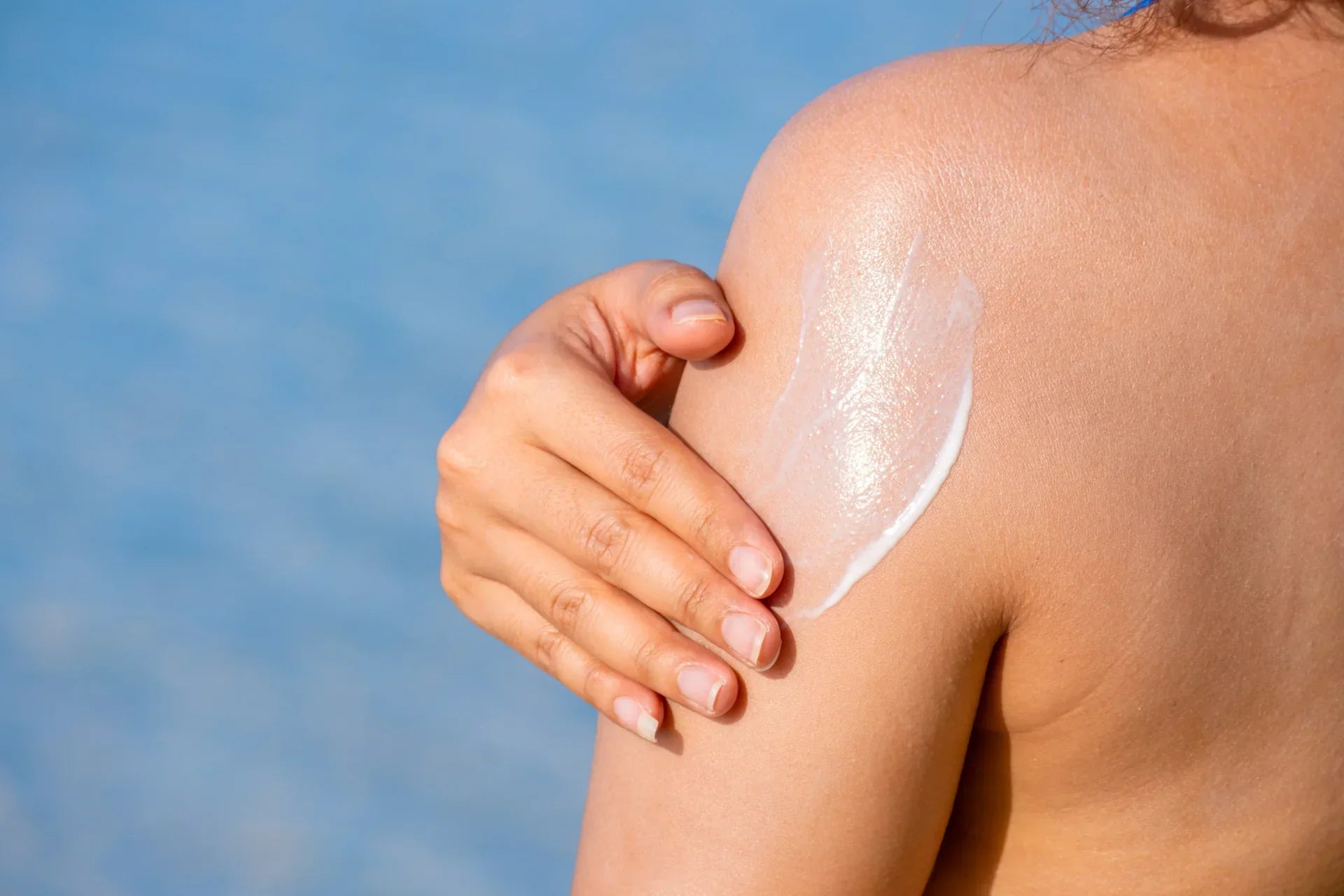
Sun care is part of many people's summer routine – yet there are still a surprising number of misconceptions circulating around SPF. Some of these can even contribute to long-term skin damage if relied upon. It's time to clear up the most persistent myths – for better skin care and a safe feeling in the sun.
Myth 1: "I don't need sun protection on cloudy days."
Clouds may obscure sunlight, but UV rays are hardly affected by them. Especially UVA rays – which are significantly involved in premature skin aging – penetrate even on overcast days. This means: Even on gray days, sun protection should not be omitted. A day cream with an integrated sun protection factor can be easily integrated into the daily routine and protects the skin in the long term.
Myth 2: "With SPF 50, I can stay in the sun longer."
Many believe that a higher sun protection factor means more time in the sun. But that is a misconception. The difference between SPF 30 and SPF 50 primarily concerns the percentage of UVB rays blocked – not the duration of protection. One thing is crucial: Regular reapplication. Every two hours – and after swimming or sweating – sun protection should be renewed, regardless of the SPF value.
Myth 3: "Dark skin doesn't need sun protection."
It's true that darker skin types have a certain natural self-protection due to their higher melanin content. However, this is not sufficient to protect the skin from the effects of UV rays. Skin aging, hyperpigmentation, and UV-induced skin damage can occur in all skin tones. Therefore, sun protection is an indispensable part of daily care for every skin color.
Myth 4: "Sunscreen is enough as the sole protection."
Sunscreen is important – but it should not be considered the only protective measure. Even high-quality products with broadband filters cannot build a complete barrier against UV rays. Supplementary measures such as staying in the shade during midday, wearing UV-protective clothing, or a wide-brimmed hat significantly improve the protective effect. The combination of product and behavior makes the difference.
Myth 5: "Waterproof sunscreen doesn't need reapplication."
Waterproof formulations offer some protection when swimming or sweating, but they are not a free pass for hours of sunbathing without reapplication. "Waterproof" means that the product resists water for a certain period, but it doesn't last indefinitely. After drying off, bathing, or physical activity, the cream should be reapplied – for reliable protection.
Smart Skincare: Protect Rather Than Overload
Sun protection is not a seasonal topic, but a daily skin care decision. If you want to keep your skin healthy in the long term, you should opt for a care that protects without weighing it down – and that suits your personal skin type.
A day cream with a high sun protection factor – such as our 5 in 1 Anti-Redness Day Cream SPF 50 – can meaningfully complement your skincare routine. It combines protection with a pleasant texture and is ideal for sensitive skin types prone to redness. In combination with a conscious sun routine, your skin is well-equipped for everyday life – in any weather.
Conclusion:
Myths about sun care persist – but knowledge protects. With the right care, regular reapplication, and conscious behavior, you ensure that your skin remains healthy, balanced, and well-cared for in the long term.


Share:
Intimate Care During Seasonal Changes: How to Keep Sensitive Skin Balanced
5 Summer Skincare Tips: Keep Your Skin Glowing & Healthy!